
Categories
Market Update, Utah Buyers, Utah SellersPublished October 21, 2026
Utah Winter Housing Market 2026: Buy, Sell, or Wait?

Quick Answer: Winter is the slowest stretch of the real estate year nationally, but the West is the least seasonal region in the country, and Salt Lake County is heading into this winter with more choices for buyers than we have seen in years. As of the September 2026 Utah Association of REALTORS® report, the county had 4,265 homes for sale, up 16.1% from a year earlier, a median sales price of $553,600, and 4.2 months of supply. Buyers who shop this winter get less competition and more negotiating room. Sellers who list this winter face fewer competing listings and work with the most motivated buyers of the year. The right move depends on your timeline, not the calendar.
What is the Salt Lake County market doing heading into winter?
Here is where we stand, based on the Utah Association of REALTORS® local market update for September 2026, the most recent monthly report available (current as of October 10):
- Median sales price: $553,600, down 1.1% from September 2025
- Year-to-date median: $555,000, up 1.8% from 2025
- Inventory of homes for sale: 4,265, up 16.1% year over year
- Months of supply: 4.2, up from 3.6 a year ago
- Days on market until sale: 56
- New listings: 1,398, down 5.0% from a year earlier
- Pending sales: 717, down 28.6% from a year earlier
- Closed sales: 990, down 11.0% from a year earlier
- Percent of original list price received: 96.3%
Read together, that is a market close to balanced. Sellers still get about 96 cents on the dollar, but homes take nearly two months to sell, and the drop in pending sales tells me many buyers paused when rates moved up in September. That pause is exactly what creates the winter opening.
On the financing side, Freddie Mac's Primary Mortgage Market Survey put the average 30-year fixed rate at 7.40% and the 15-year at 6.71% as of October 15, 2026, unchanged from the week before.
What does winter mean for buyers in Utah?
Less competition. That is the short version, and it is backed up by national data. The National Association of REALTORS® found that from December through February, about 11,380 existing homes sell per day across the country, compared with more than 16,500 per day during the April-through-June peak, and the median days on market stretches from about 31 days in June to about 49 days in winter. Homes also tend to be priced lower: nationally, the typical home is about 16% more expensive in June than in the winter months, and even in October and November the typical home runs about 5% cheaper than the June peak.
Here is what that looks like on the ground in Salt Lake County. The buyer you are competing with in April is juggling five other offers. The buyer you are competing with in January often is not there at all. Sellers who list in December and January usually have a real reason to move, a job relocation, a life change, a tax deadline, which means they tend to negotiate. With 4.2 months of supply in the county right now, you already have more leverage than buyers had a year ago, and winter adds to it.
The trade-offs are real, though. Selection shrinks as the holidays approach, because many sellers pull their listings or wait for spring. You will be touring homes in the dark after work, and snow can hide roof, grading, and drainage issues, so inspections matter even more. My advice: get fully underwritten pre-approval, be ready to move fast when the right home appears, and keep your inspection contingencies.
What does winter mean for sellers in Utah?
The buyers who are left are serious. Nobody trudges through a snowstorm to an open house for fun. Winter buyers are usually working against a deadline: a corporate relocation, a school enrollment window, or a year-end financial goal. Realtor.com's guidance on late-year listings notes that these buyers tend to write cleaner offers and close on time, and that many sellers underestimate how little competition they face once other listings come off the market.
That second point is the one I stress with my own sellers. Every November, a chunk of the county's active inventory gets withdrawn or expires. If your home is one of the few well-presented options in its price range and neighborhood, you stand out in a way you simply cannot in May.
Pricing matters more in winter, not less. Buyers this time of year are well researched and payment-sensitive at a 7.40% rate environment. Price realistically from day one. A home that sits through the holidays with a price cut or two starts carrying a stigma that is hard to shake in January.
A few Utah-specific tips I give every winter seller: keep walkways clear of snow and ice for showings, turn on every light (our winter days are short), keep the home warm, and have summer photos ready if your landscaping is a selling point. If you can, list before mid-December rather than waiting out the holidays.
Does winter timing matter as much in Utah as it does elsewhere?
Less than you might think. In that same NAR seasonality research, the West is the region least affected by seasonality. Our market does move with the seasons, but the swings are smaller than in the Midwest or Northeast. Part of that is our economy and in-migration, and part of it is that plenty of Utah buyers happily house hunt between ski days.
Our local numbers back that up. Even in a slower September, 990 homes still closed in Salt Lake County, and year-to-date closed sales are actually up 1.3% compared with 2025. Homes sell here every single month of the year. Winter changes who is in the market and how they behave, but it does not close the market.
Should you wait until spring?
If you are a buyer: only if selection is your top priority. Waiting for spring gets you more choices, but it also means more competition, faster sales, and historically higher prices. If you find the right home this winter at a payment you can afford, the seasonal discount and negotiating room are real. If nothing fits, spring inventory is eight to ten weeks away.
If you are a seller: only if your home shows dramatically better with green grass and you have no time pressure. Otherwise, listing this winter puts you in front of the most motivated buyers of the year with the fewest competing listings, and you will be a ready buyer yourself when the spring wave hits.
The honest answer is that life timing beats market timing. My job is to help you use the season, whichever side of the table you are on.
Frequently Asked Questions
Is it cheaper to buy a house in the winter in Utah?
It can be. Nationally, NAR research shows the typical home costs about 16% more in June than in the winter months, and winter buyers face the least competition of the year. Utah's swings are milder than the national pattern, but the direction is the same: fewer bidding wars, longer days on market, and sellers who are more willing to negotiate.
Do homes actually sell in Salt Lake County during the winter?
Yes. Even in September, a slower month, 990 homes closed in the county, and year-to-date closings are up 1.3% over 2025. The market slows during the holidays but never stops.
Will mortgage rates go down this winter?
I do not predict rates, and I would be skeptical of anyone who does. What I can tell you is where we are: Freddie Mac's weekly survey showed the average 30-year fixed rate at 7.40% as of October 15, 2026, unchanged from the prior week. If you are planning a purchase, watch the weekly survey and talk to a lender about what a buydown or seller concession could do for your payment right now.
How long does it take to sell a home in the winter?
In Salt Lake County, homes took a median of 56 days to sell in September 2026. Nationally, winter adds time, with the median days on market near 49 days from December through February versus about 31 in June. A well-priced, well-presented home can still sell quickly, but plan for a longer runway than you would in May.
What is the best month to buy a home in Utah?
For selection, late spring. For negotiating power, December through February. For most people, the best month is the one where the right home shows up and your finances are ready, because trying to time the exact bottom of a seasonal pattern almost never works.
About the Author
Todd Hayes is a real estate agent serving Salt Lake County and the surrounding Wasatch Front with Emily Hayes Homes, KW South Valley Keller Williams. If you are thinking about buying or selling this winter, reach out for a no-pressure conversation about what the current numbers mean for your situation.
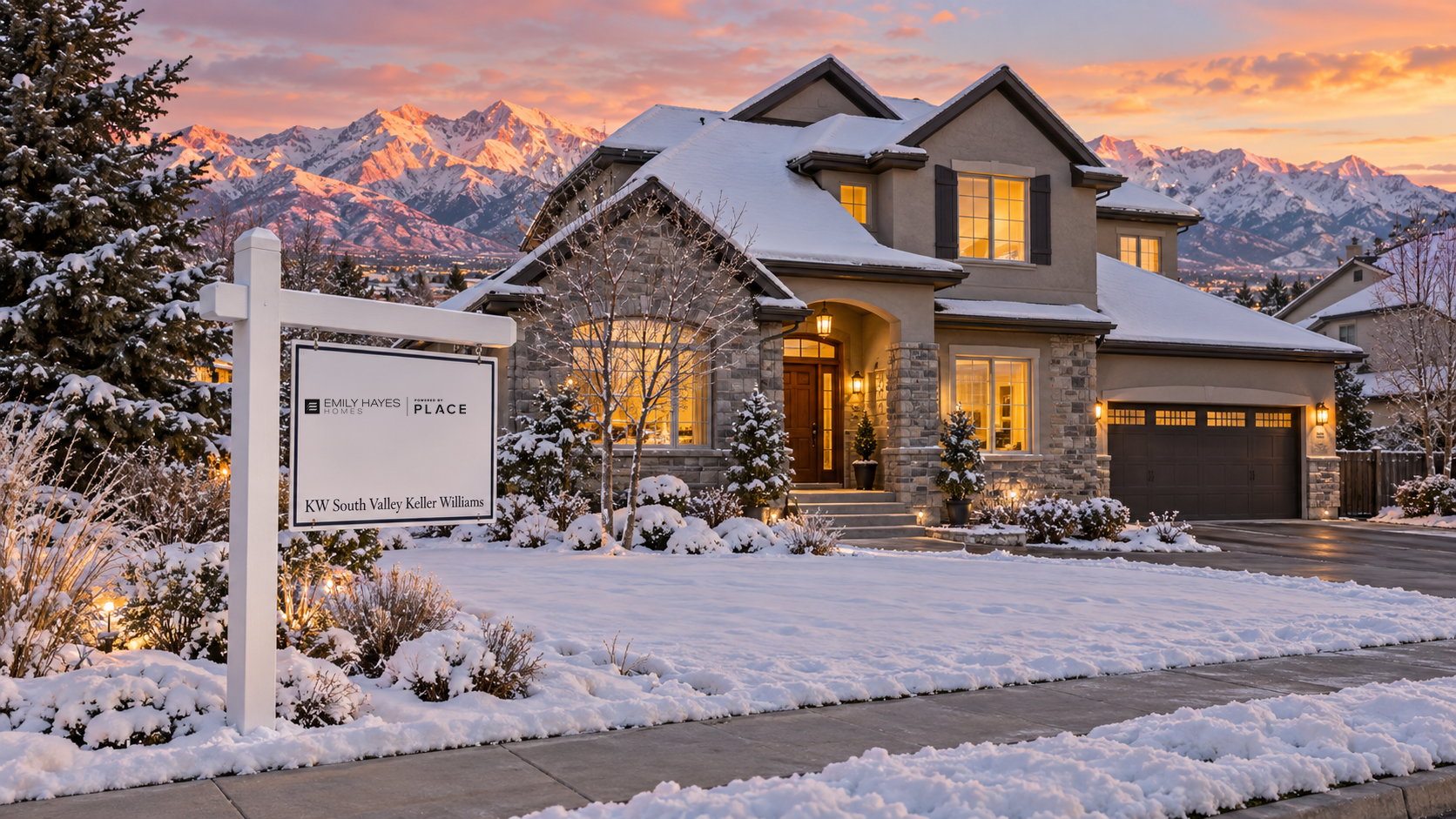
Header image is an AI-generated illustration of a representative Utah home in winter with the Emily Hayes Homes and KW South Valley Keller Williams branded sign; it is not a photograph of a real listing.

Emily Hayes
CEO Emily Hayes Homes | Emily Hayes Homes | Keller Williams | PLACE
or another way